Premier Pilot Plant People

 Call Us
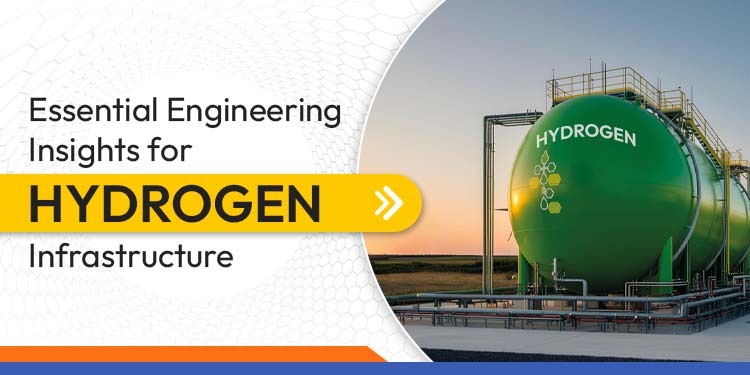
Essential Engineering Insights for Hydrogen Infrastructure
Transitioning hydrogen concepts from the laboratory to industrial-scale deployment is a complex engineering challenge. This blog explores the essential technical insights required before scaling up, including electrolyzer performance validation for PEM, Alkaline, and SOEC technologies. We look into the importance of water purity, grid interaction, and high-fidelity TEA/LCA data. Discover how Xytel Pilot Plants serve as the vital bridge, turning ambitious hydrogen projects into bankable, scalable realities through rigorous validation and skid-mounted modular engineering. The global push for decarbonization has positioned green hydrogen as a cornerstone of the future energy mix. However, there is a significant difference between a successful laboratory trial and a continuous industrial operation. Many developers find that while the chemistry works in a controlled setting, the physics of scaling introduces variables that can jeopardize a project’s financial viability. Before committing substantial capital to full-scale infrastructure, it is vital to move beyond optimistic projections and gather hard operational evidence. Engineering a bankable reality requires deep insights into system behavior, integration, and long-term performance.Electrolyzer Performance: More Than Just Efficiency
Choosing the right technology, whether it is Proton Exchange Membrane (PEM), Alkaline, or Solid Oxide Electrolyzer Cell (SOEC), is the first step. However, understanding how these stacks behave under stress is what determines operational success.- PEM Testing: Known for its fast response times, PEM technology is ideal for fluctuating loads. Before scaling, you need data on membrane degradation rates and catalyst stability under high-pressure conditions.
- Alkaline Validation: While a mature technology, alkaline systems require precise management of electrolyte concentrations and gas separation. Validating the balance of plant (BOP) at a pilot scale helps prevent crossover issues.
- SOEC Evaluation: High-temperature steam electrolysis offers superior efficiency but introduces thermal cycling challenges. Detailed insights into ceramic stack durability and heat integration are non-negotiable before industrial deployment.
The Critical Role of Water Purity and Feedstock Validation
Electrolyzers are highly sensitive to impurities. Even trace amounts of minerals or organic compounds in the feed water can lead to rapid electrode poisoning or membrane fouling. Scaling up without a validated water treatment and purification strategy is a common cause of premature system failure. At Xytel India, our pilot plants integrate sophisticated purification modules to ensure that the water quality consistently meets the stringent requirements of the electrolyzer stack. Validating this at a pilot scale allows you to optimize the cost of water treatment against the longevity of your hardware.Grid Interaction and Renewable Intermittency
Green hydrogen is rarely produced with a steady power supply. Most systems must interact with a hybrid grid or direct renewable sources like solar and wind. This creates dynamic loading conditions that can stress the electrical and chemical components of the plant. Key insights needed include:- Ramp-up and Ramp-down Times: How quickly can the system respond to a sudden drop in solar radiation?
- Power Quality: Managing harmonics and voltage fluctuations from the grid.
- System Stability: Ensuring the control logic handles emergency shutdowns or grid instability without damaging the electrolyzer stacks.
Generating TEA/LCA-Grade Performance Data
Financial institutions and stakeholders require more than just technical success; they demand data for Techno-Economic Analysis (TEA) and Life Cycle Assessment (LCA). To secure funding, a project needs high-fidelity data on the Levelized Cost of Hydrogen (LCOH). This involves tracking every kilowatt-hour consumed, every liter of water used, and the exact maintenance intervals required. Xytel Pilot Plants are equipped with advanced PLC-SCADA systems and precision instrumentation to log these data points in real-time, providing the operating evidence that makes a project bankable.The Xytel Advantage: Transforming Concepts into Reality
Xytel India specializes in bridging the gap between R&D and commercial scale. Our modular, skid-mounted pilot plants are designed to simulate real-world industrial conditions with high accuracy. By utilizing our turnkey solutions, you can:- Test Integration: Validate the interaction between the electrolyzer and compressors, gas dryers, and storage systems.
- Optimize Design: Identify bottlenecks in gas-liquid separation or thermal management before the final engineering of the commercial plant.
- Reduce Risk: Surface design limitations early, preventing costly overruns and technical failures during the larger rollout.
Get in Touch
You will be amazed as how partnering with us becomes a game changer in your quest for R&D glory.