Premier Pilot Plant People

 Call Us

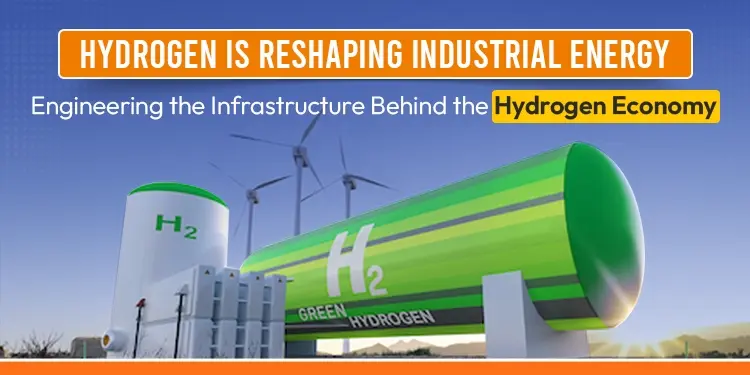
Hydrogen is Reshaping Industrial Energy: Engineering the Infrastructure Behind the Hydrogen Economy
The shift toward a hydrogen economy demands more than just manufacturing fuel cells; it requires a complete transformation of industrial energy systems. As green hydrogen generation becomes a core focus, industries face major engineering hurdles in transitioning existing refining operations to handle cleaner feedstocks. This technical blog explores how modular testing infrastructure accelerates this transition. By leveraging Hydroprocessing, Hydrocracking, and Hydrotreating Pilot Plants, companies can safely evaluate catalysts, de-risk large-scale configurations, and establish reliable industrial pathways for sustainable fuels and hydrogen integration. Hydrogen is rapidly emerging as a key pillar of the global energy transition. From production and storage to transportation and industrial applications, building a successful hydrogen economy requires robust infrastructure, advanced engineering, and scalable execution. As industries invest in cleaner energy solutions, the focus now shifts from potential to implementation. The primary challenge in adopting hydrogen at an industrial level lies in the scaling phase. Moving a process from laboratory chemistry to a reliable, commercial-scale operation involves significant risk. Feedstock variability, high-pressure hydrogen management, and catalyst degradation are complex problems that cannot be solved by mathematical simulations alone. To engineering teams, the absolute priority is obtaining reliable real-world data before making major capital investments. This is where specialized, automated testing systems become indispensable.Bridging the Scaling Gap in Alternative Energy
Transitioning traditional industrial plants to run on alternative energy matrices requires precise engineering validation. At Xytel India, the objective is to bridge the critical gap between lab-scale research and full-scale commercial plant operations. Whether a facility is refining Sustainable Aviation Fuel (SAF), converting agricultural residues, or testing new green hydrogen generation methods, the underlying process chemistry must be verified under actual industrial conditions. Modifying existing petroleum and chemical infrastructure to handle high concentrations of hydrogen requires significant operational changes. Hydrogen molecules are small, highly reactive, and prone to causing material embrittlement under high pressures and temperatures. Testing new catalyst configurations and evaluating process safety at an intermediate scale allows engineers to identify operational limits before committing to commercial construction.The Strategic Role of Hydroprocessing Pilot Plants
Modern refineries and energy plants are modifying their core processing units to accommodate bio-based feedstocks and heavy renewable oils. Hydroprocessing Pilot Plants serve as the primary environment for simulating these complex processes. These modular units allow engineers to study how different renewable feedstocks interact with hydrogen over prolonged operational cycles. By collecting precise kinetic and thermodynamic data from Hydroprocessing Pilot Plants, operators can optimize hydrogen consumption rates. These testing platforms help determine the exact spatial velocity and gas-to-oil ratios required to process complex feeds while maintaining process stability. This data directly influences the design of full-scale commercial reactors, avoiding costly design oversights.Maximizing Conversion with Hydrocracking Pilot Plants
As the industry moves toward deeper conversion of heavy oils, plastic waste, and bio-oils into cleaner fuels, molecular cracking becomes necessary. Hydrocracking Pilot Plants are designed to simulate high-pressure, high-temperature cracking processes in the presence of hydrogen. These units are critical for assessing how alternative feedstocks affect catalyst activity and selectivity over time. Using Hydrocracking Pilot Plants allows engineers to experiment with multi-bed reactor configurations and evaluate quenching systems safely. Because renewable feedstocks often contain high levels of oxygen and variable chemical structures, understanding how they break down under hydrogen pressure ensures that commercial-scale hydrocrackers remain resilient and efficient without experiencing sudden shutdowns or runaway reactions.Ensuring Feedstock Purity through Hydrotreating Pilot Plants
Renewable feeds and bio-derived liquids are inherently contaminated with heteroatoms like sulfur, nitrogen, and high amounts of oxygen. Before these streams can be utilized or mixed into regular fuel networks, they must undergo intense purification. Hydrotreating Pilot Plants are specialized testing assets that evaluate the removal of these contaminants through catalytic hydrogen reactions. Data from Hydrotreating Pilot Plants enables engineers to calculate the precise hydrogen consumption required for deoxygenation and desulfurization. Running these micro-scale or pilot-scale tests helps industrial plants select the most robust catalyst combinations. It also helps manage exothermic heat releases, ensuring that the final full-scale design maintains stable thermal control during continuous operation.Modular Engineering for High-Pressure Safety
Building testing units for hydrogen applications requires deep knowledge of skid-mounted, automated assembly. Because hydrogen operations demand strict leak-tightness and precise thermal management, the engineering behind these units focuses on automated safety loops, specialized metallurgy, and advanced process controls. By utilizing turnkey, modular designs, companies can deploy testing systems that plug directly into existing research infrastructure. This approach minimizes site installation times and ensures that the pilot units operate under strict environmental and hazard safeguards, reflecting the exact parameters of a future commercial facility. Partner with Xytel India for Your Scaling Needs Transitioning to a hydrogen-driven industrial future requires reliable data and proven engineering frameworks. Xytel India specializes in the design, fabrication, and turnkey delivery of automated, skid-mounted Hydroprocessing Pilot Plants, Hydrocracking Pilot Plants, and Hydrotreating Pilot Plants. Let us help you de-risk your alternative energy operations and accelerate your journey from lab-scale innovation to commercial success. Contact our specialist engineering team at info@xytelindia.com or call +91-7387396069 to discuss your process scaling requirements today.Frequently Asked Questions (FAQs)
- Why are specialized pilot plants necessary for hydrogen infrastructure scaling?
- How do Hydrotreating Pilot Plants assist in the production of Sustainable Aviation Fuel (SAF)?
- What makes modular skid-mounted pilot units preferable for alternative energy R&D?
Get in Touch
You will be amazed as how partnering with us becomes a game changer in your quest for R&D glory.